Parker Bennett · 19 September 2026
Birds of a Feather: How Seasonal Waterfowl Patterns Support Local Conservation Programs in the Lake Districts of Ontario
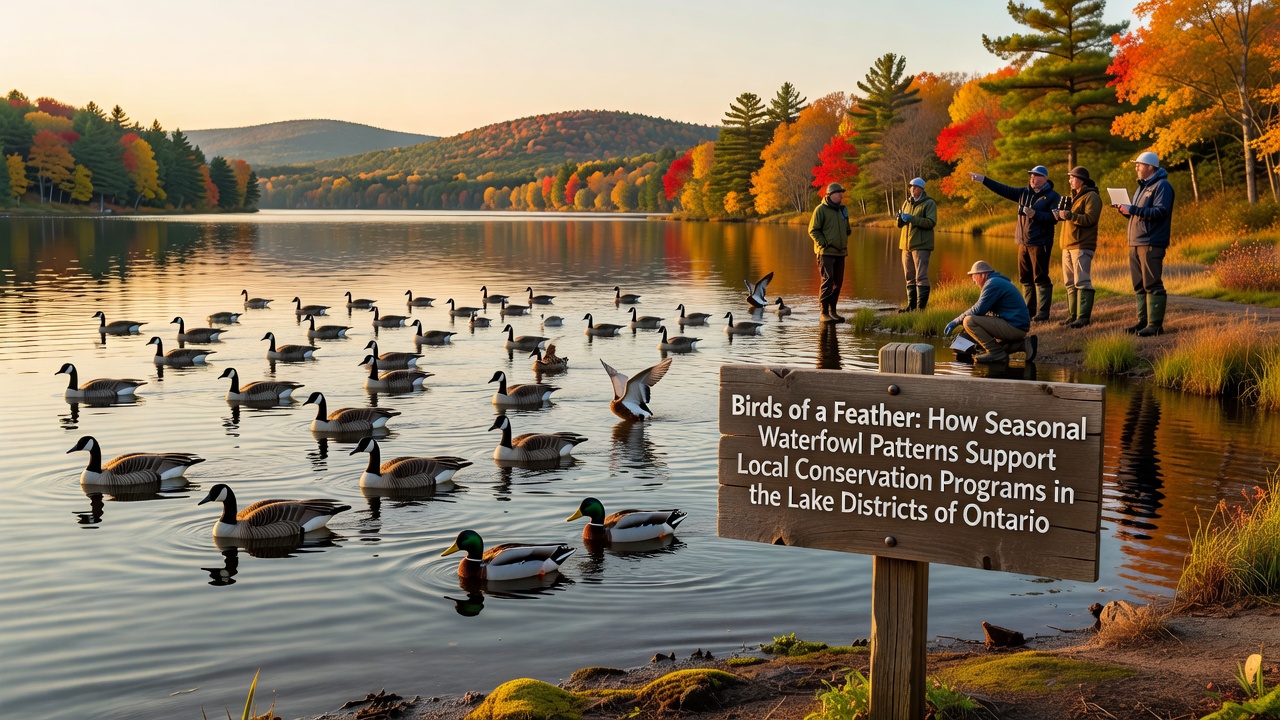
Seasonal movements of waterfowl across Ontario lake districts create measurable benefits for conservation initiatives that rely on predictable arrival and departure cycles to guide habitat management and funding allocations. Researchers track species such as mallards, Canada geese, and scaup as they follow established flyways that connect breeding grounds in the northern boreal regions with wintering areas further south. These patterns supply data that local programs use to prioritize wetland restoration projects and monitor population health over multiple years.
Migration Cycles and Data Collection
Spring arrivals in April and May coincide with peak breeding activity while fall departures in October and November allow observers to count fledglings and assess reproductive success before birds move onward. Programs in districts around the Rideau Lakes and Kawartha region collect weekly counts that feed into larger databases maintained by federal agencies. This information reveals trends in habitat use and helps allocate resources for invasive species removal that would otherwise reduce available nesting cover.
September 2026 marks the early staging period for many species preparing for southward travel and conservation teams plan banding sessions during this window to mark individuals for tracking studies that continue into the following seasons. The resulting datasets show how specific lake basins function as stopover sites where birds replenish energy reserves before crossing larger bodies of water.
Habitat Protection Through Observed Patterns
Local organizations use arrival timing to schedule controlled burns and vegetation planting so that new growth provides cover exactly when birds need it most. Water level management at several reservoirs adjusts based on historical use data to maintain shallow feeding areas free of dense emergent plants. These interventions produce measurable increases in duckling survival rates according to annual reports compiled by provincial wildlife biologists.
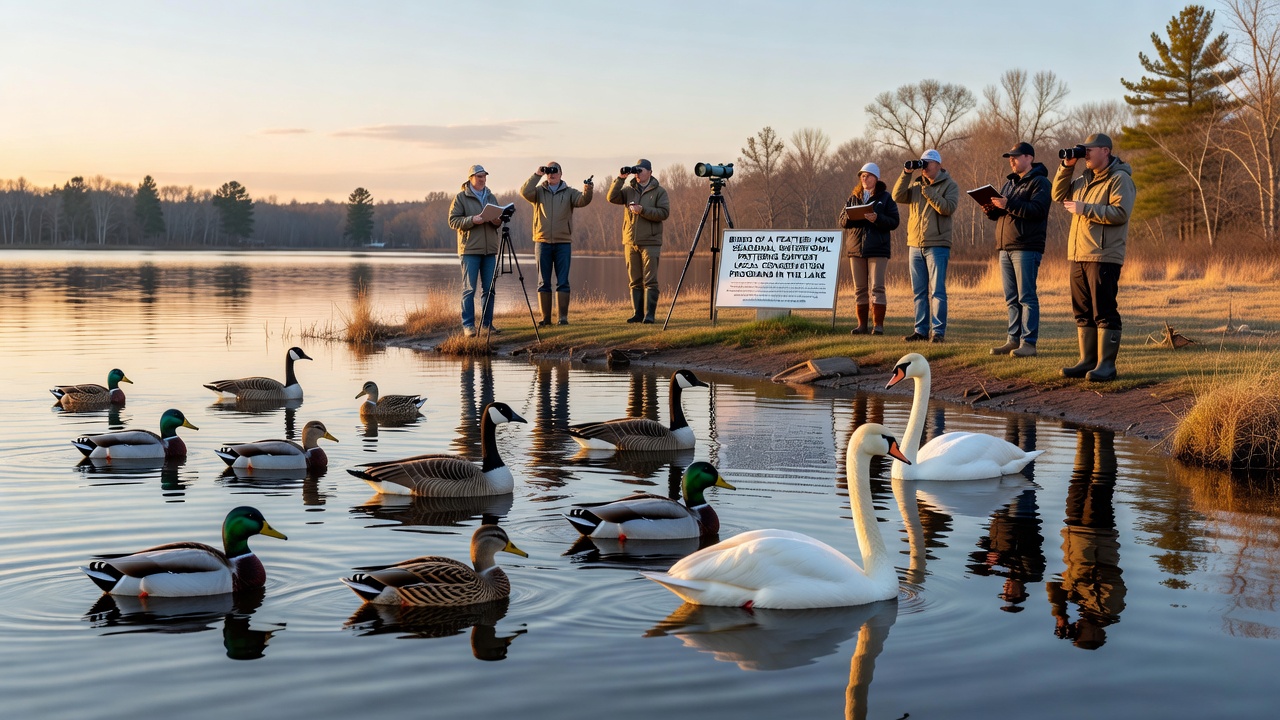
Funding for such work often ties directly to visitor numbers at viewing stations and interpretive centers that open during peak migration windows. Tourist revenue supports equipment purchases and staff time for ongoing surveys while educational programs built around these predictable events raise awareness of wetland value among residents and seasonal property owners alike.
Research Partnerships and Long-Term Monitoring
University teams collaborate with district conservation authorities to attach satellite transmitters to select birds and the resulting movement maps confirm connections between protected areas separated by hundreds of kilometers. One study released in 2024 demonstrated that birds using certain Kawartha basin lakes showed higher return rates when adjacent shorelines remained free of development. Such findings guide zoning decisions and shoreline buffer policies that municipalities adopt to maintain migration corridors.
Partnerships also extend to cross-border efforts with U.S. agencies that share flyway responsibilities and joint reports compile population estimates used to set harvest regulations. Data from these sources help Canadian programs demonstrate measurable outcomes to grant providers who require evidence of population stability before releasing additional support.
Community Involvement and Economic Links
Residents participate in citizen science counts that supplement professional surveys and the combined records strengthen applications for federal habitat funding. Schools incorporate migration lessons into curricula so students learn to recognize species and understand the role of local lakes in continental flyways. These activities build sustained public support for conservation measures that might otherwise face resistance during budget reviews.
Local businesses note increased demand for guided tours and equipment rentals during migration peaks and some operators donate portions of revenue to wetland acquisition funds. The connection between seasonal bird presence and economic activity gives conservation programs an additional argument when seeking municipal approvals for land protection.
Conclusion
Seasonal waterfowl patterns supply both the biological data and the public engagement opportunities that allow Ontario lake district programs to maintain and expand their work. Continued monitoring through 2026 and beyond will refine management approaches as climate variables shift timing and habitat conditions. The integration of research findings with community participation creates a framework where observable bird movements translate into tangible conservation actions across the region.